RT / Consistency first

Quality consistency, from film to finished label.

Film thickness and surface. Adhesion. Release and converting. These are our quality priorities for self-adhesive BOPP, PET and PE.

The material you approve becomes the reference for the next order: the complete construction, print trial and agreed specifications.

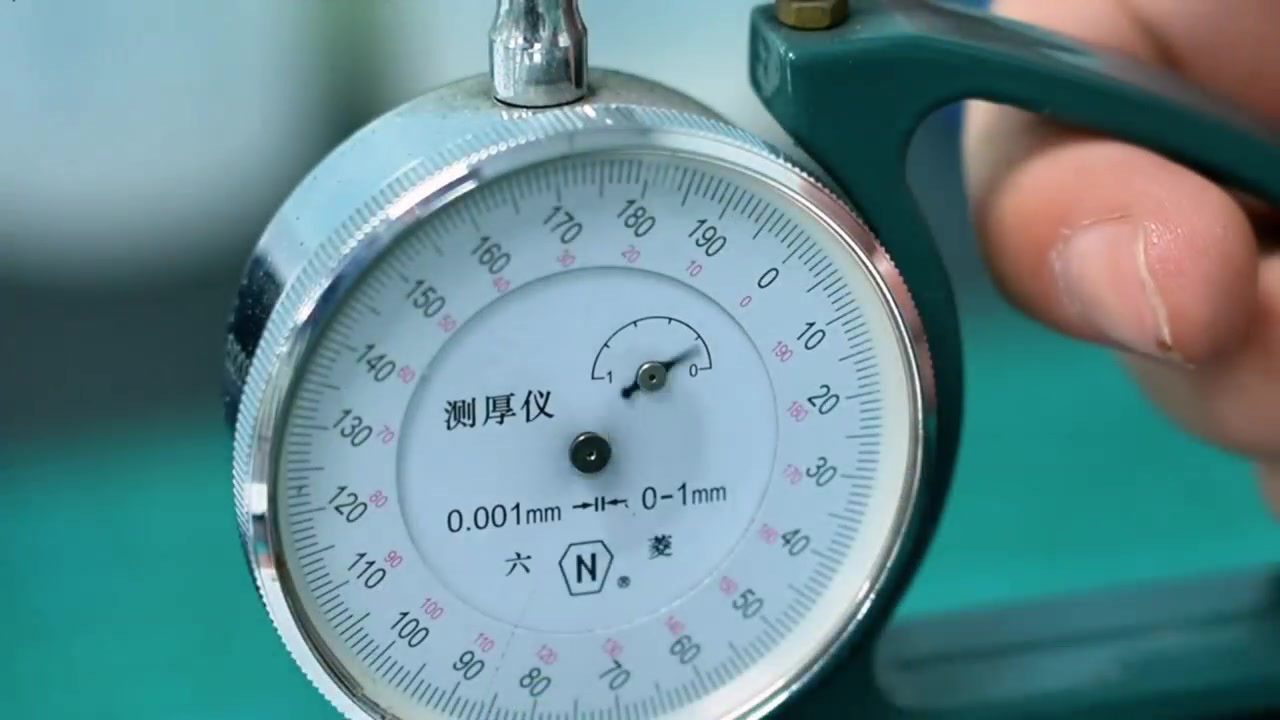
A dial thickness gauge used to check a material sample

01 / Film & surface

A consistent face for your print

Consistent appearance starts with the same face specification and print surface.

Quality focus
Face thickness, finish and print coating
From the approved sample to the next order
The agreed face specification and approved print sample provide the reference for repeat orders. Keep the printer, ink and drying or curing conditions with that reference.

02 / Adhesion

Adhesion matched to the pack

The adhesive matters as much as the film when a label has to stay on the pack.

Quality focus
Adhesive type, pack surface and use conditions
From the approved sample to the next order
Compare the complete adhesive construction on the intended surface, including temperature, curves, squeezing or removal needs. A similar film appearance does not make two adhesives equivalent.

03 / Release & converting

A liner that belongs with the job

The liner is part of die-cutting, matrix removal and label dispensing—not just backing paper.

Quality focus
Liner, release and converting setup
From the approved sample to the next order
Use the agreed liner and converting-trial reference for the next order. Review any change of liner together with the face and adhesive, rather than treating it as a like-for-like substitution.

From a sample to repeat orders

Keep the construction consistent, not just the name.

A transparent BOPP film can be paired with different adhesives and liners. A change in any layer can change the job it suits. Discuss the complete specification and a sample reference with RT, so the next quotation describes the same material you evaluated.

Send your material requirement
  1. 01 / Select

    Agree the complete construction

    Face, adhesive and liner, plus required width, core and winding.

  2. 02 / Trial

    Keep the job conditions with the sample

    Print with the intended ink and finishing, then evaluate the label on the actual pack.

  3. 03 / Repeat

    Reference what you approved

    Use the agreed specification and sample. Identify any requested change before the next order.

Samples & ordering

Before you request a sample or quote

What do I need for a quotation?

Share the model or current construction, application, width and length or sheet size, quantity, destination, and printing method. Include core and winding requirements for rolls. If you do not have a model, start with the surface and use conditions.

Can I request a sample before ordering?

Ask for the model and sample format needed for your trial. State whether you need a hand sample, sheets or a machine-trial roll. The team will confirm the sample format, availability, preparation time and any cost before arrangements are made.

What are the minimum order and lead time?

These depend on the selected construction, dimensions, quantity and production arrangements. Request confirmation in the quotation; this catalogue is not a live inventory or a fixed delivery schedule.

Can you review my current material specification?

Describe the current face, adhesive and liner, what works, and what needs to change. Include printer and application details. A proposed alternative still needs a representative trial; matching a material name alone is not equivalence.

What should a sample trial check?

Use the intended printer and actual package. Record application conditions, print quality, label hold and removal where relevant. For cold chain, include the full cooling and thawing cycle. Agree the pass criteria before the trial.

Does a category name confirm special-use approval?

No. Food contact, medical use, chemical exposure and other regulated or demanding uses need documentation and testing for the exact construction and intended conditions. Raise those requirements when enquiring.
Send your requirements